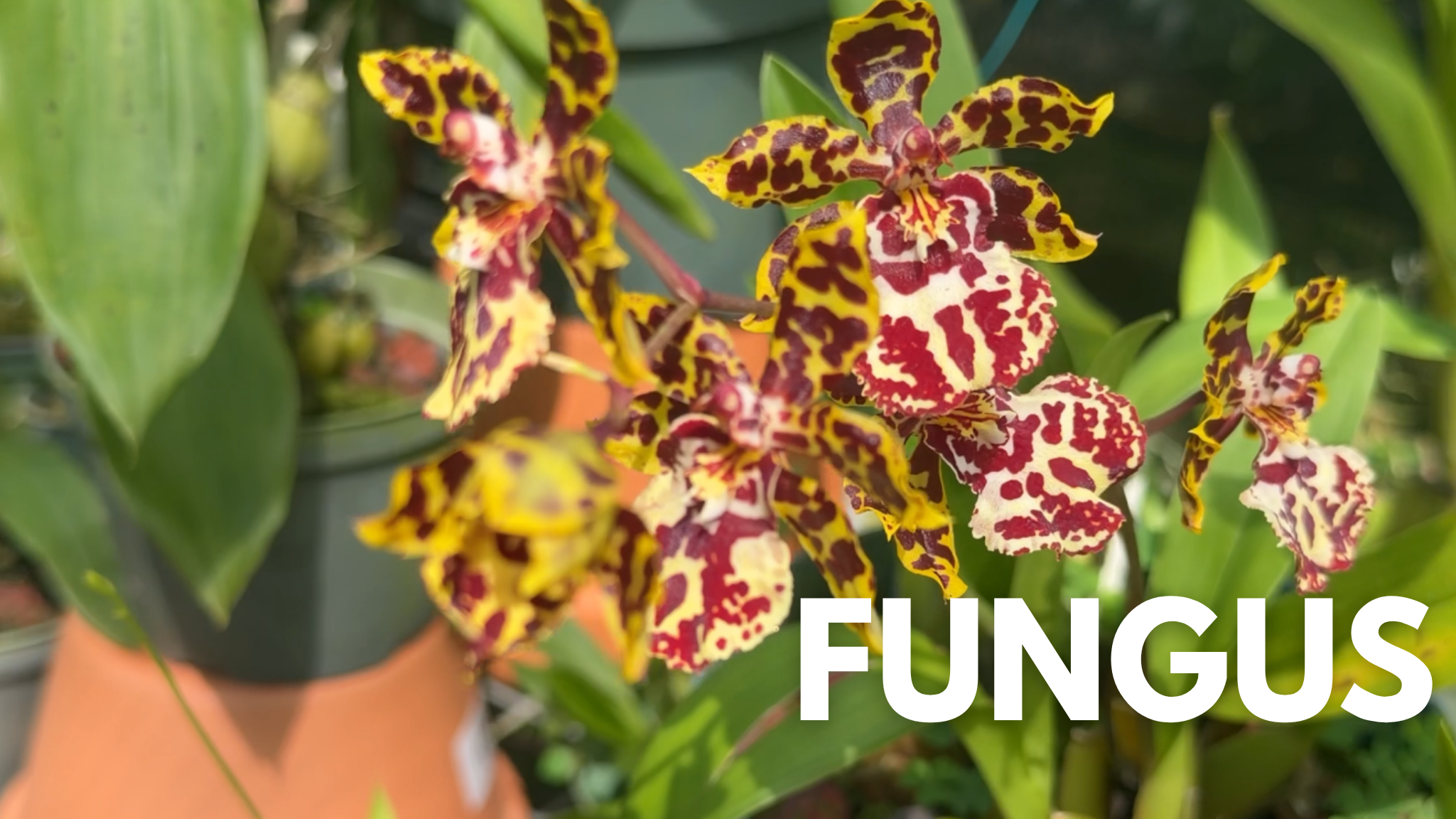
ONCIDIUM orchids
Oncidium Orchids - Joyful Blooms in Motion
First described in 1800 by Swedish botanist Olof Swartz, Oncidiums are a lively and diverse group of orchids native to Central and South America and the Caribbean that has charmed growers worldwide. With over 750 species, they’ve long thrived in warm, tropical climates like ours here in Barbados.
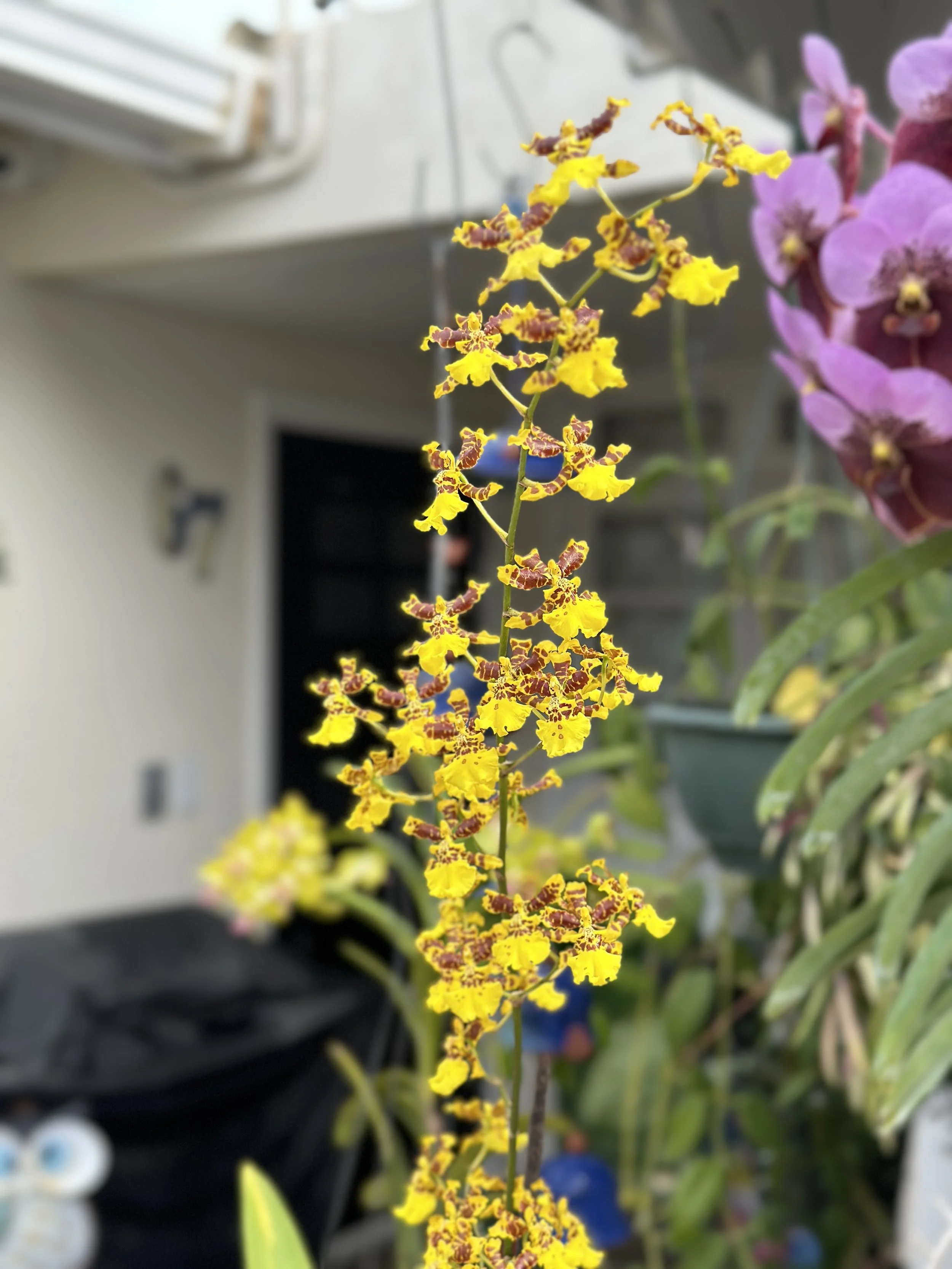
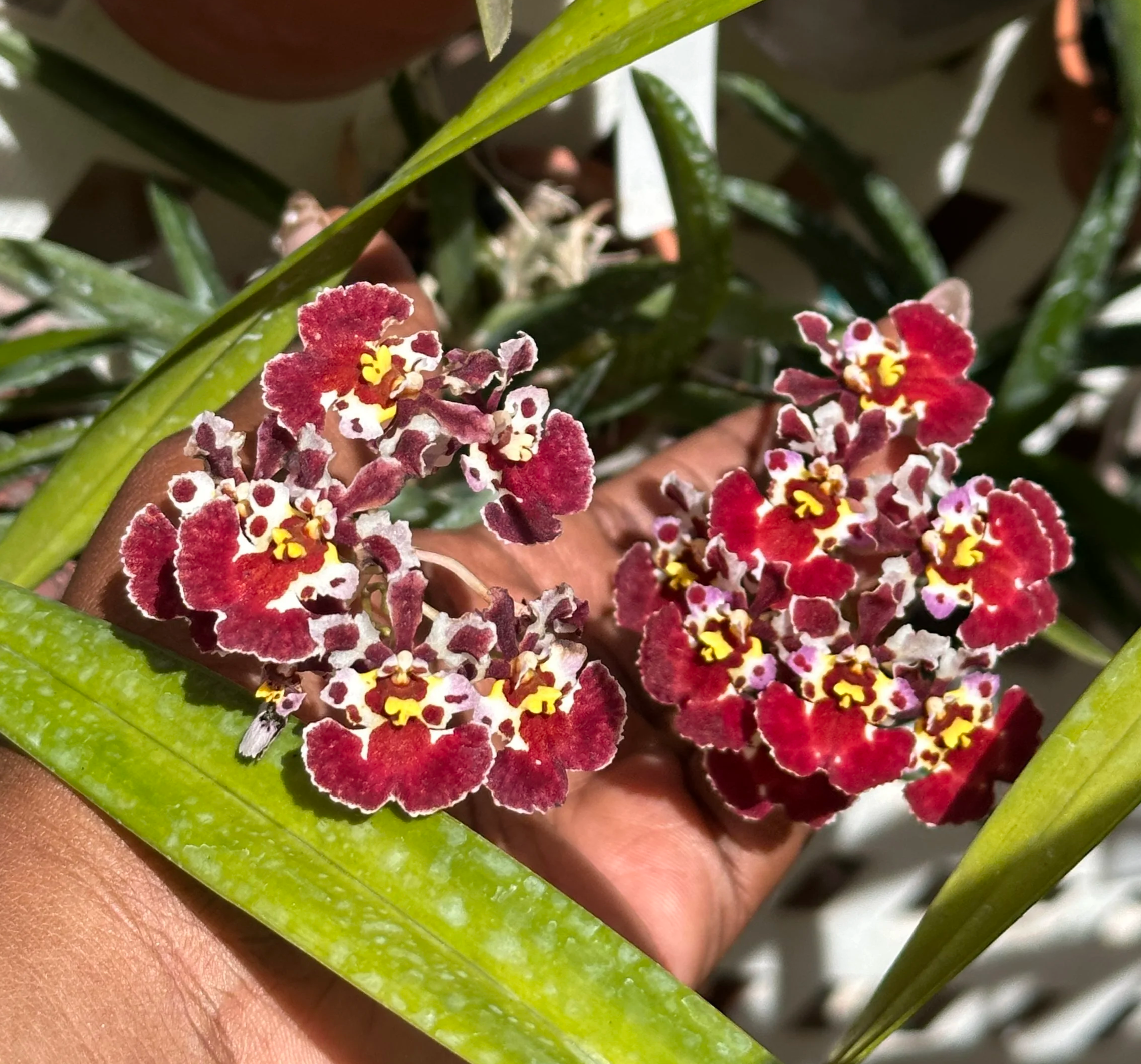
Affectionately called “dancing lady” or “bee” orchids, Oncidiums are loved for their sprays of delicate blooms that seem to flutter in the breeze. In Barbados, favourites such as sphacelatum, and splendidum grow beautifully, alongside popular hybrids like Golden Anniversary and Sharry Baby, and the bright, compact Tolumnias.
As plants mature, they produce multiple branching spikes covered in cheerful flowers — sometimes creating a full cascade of colour. Behind the display, their sturdy pseudobulbs quietly store water and nutrients, making them both resilient and reliable performers in any collection.
Oncidiums are a great choice for Barbados! They love the warmth and humidity, and they are easy to care for, perfect for beginners. Their blooms are long lasting and their colours are vibrant. It is worth collecting both species and hybrids.
Hang them high because good air circulation is the key! Water smart, let potting mix dry slightly between waterings. Feed them a balanced fertilizer during the growing season.
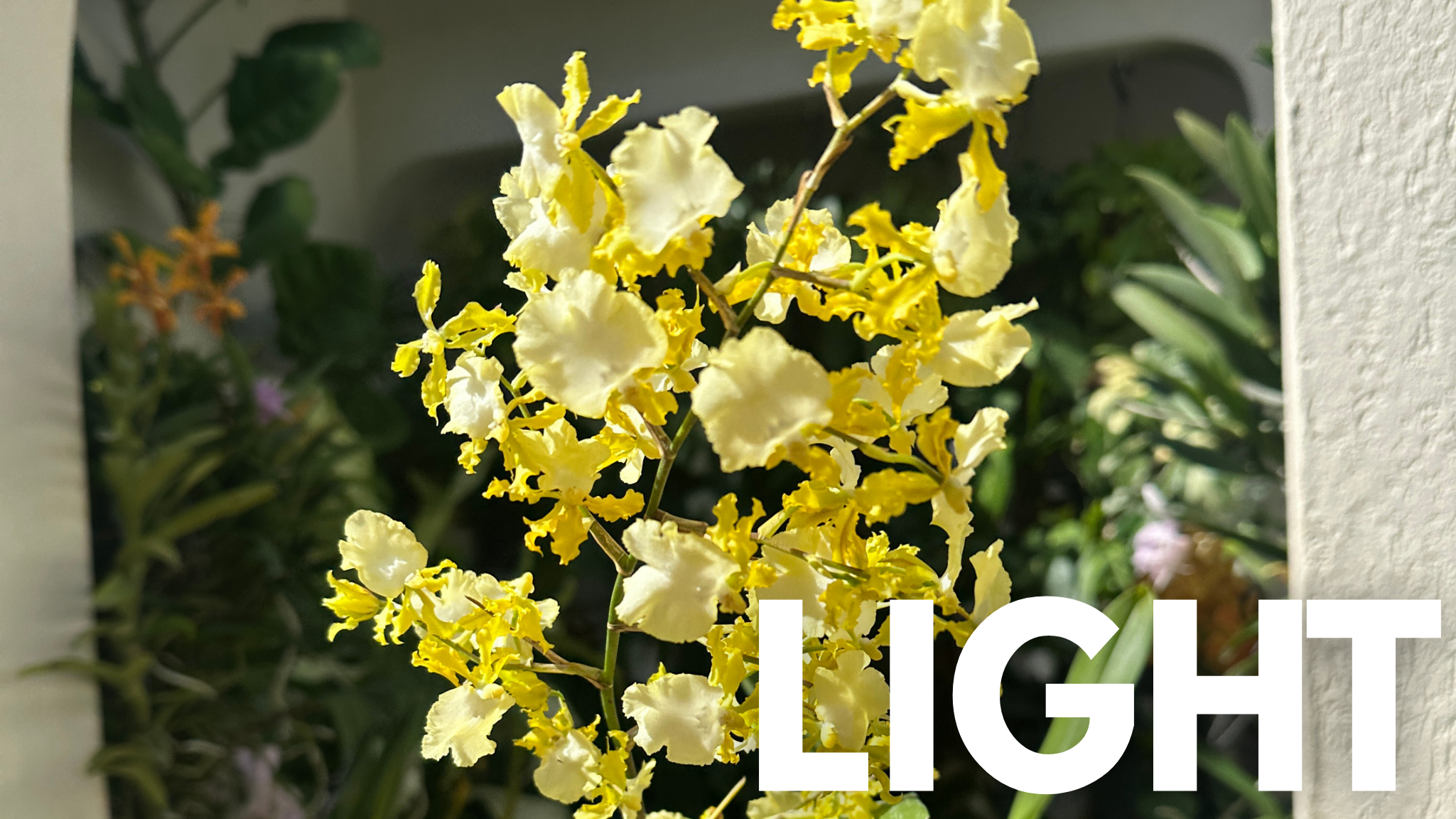
Oncidiums adore very bright, indirect light: about 50% shade or a happy home beneath a tree canopy. Their leaves will tell you exactly how they feel. Too much sun and they blush yellow; too little and they turn a deep green and refuse to bloom. The mule-eared types, with their thicker leaves, can handle a little more sunshine and reward you for it.
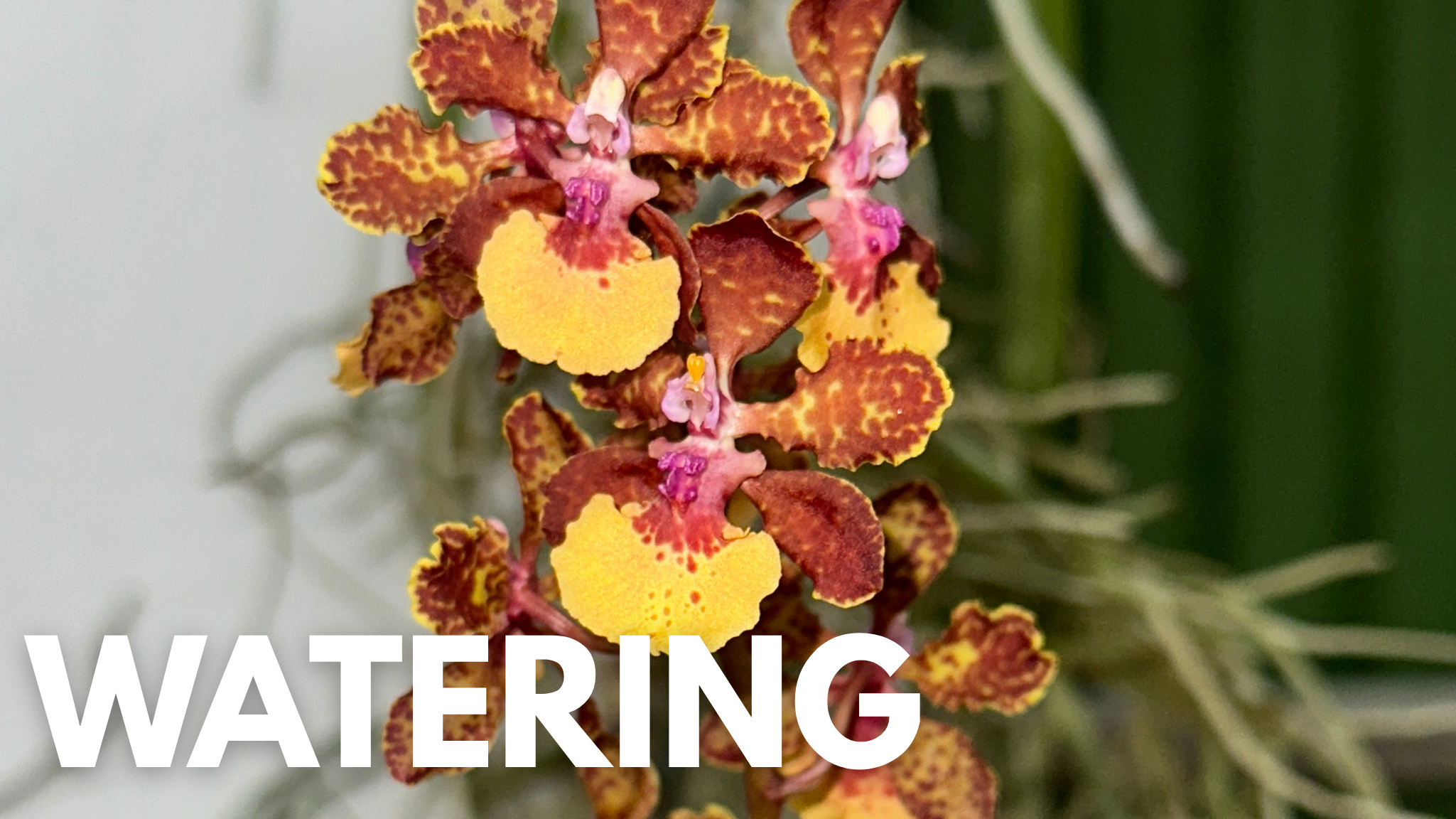
Watering depends on how they are grown. Mounted plants need a refreshing morning drink daily, while potted plants prefer to approach dryness before being watered again. They enjoy completely drying out from time to time, but not for too long. The key is balance: never soggy, never parched.
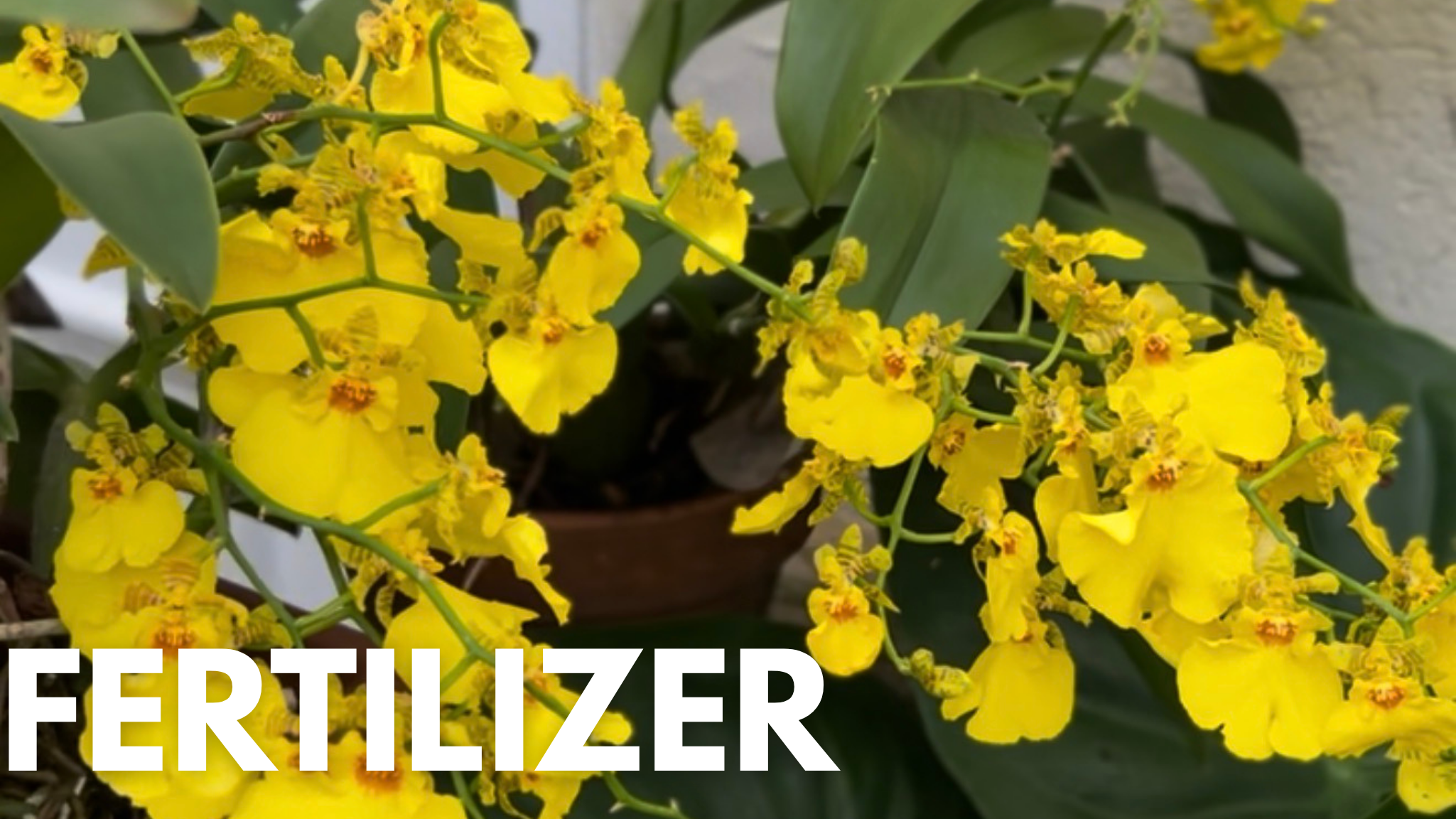
Feed regularly at recommended strength:
30-10-10 to promote strong vegetative growth.
20-20-20 during active growth.
10-30-20 as flower spikes begin forming.
It is important to note that NO fertilizer can make an orchid bloom outside of its season.
It is not a magic potion but rather a tool to aid in good growth. Understanding whether or not your plant is a species that blooms once a year or a hybrid capable of blooming 4 times a year is crucial to avoiding disappointment. Research your plant!
Repot when you see fresh new growth emerging; that is their signal that they are ready. Many growers love mounting them to mimic their natural habitat clinging to trees. They can be grown in plastic or clay pots using a similar mix to Cattleyas. Many local growers have also had success growing them in hanging baskets with free draining media.
Media
A free-draining mix is essential: medium bark, charcoal, coconut chips, commercial orchid mix, or even lava rock or LECA have brought success. The goal is always the same: excellent drainage and healthy roots.
Oncidiums can occasionally attract pests such as mealybugs, spider mites, and scale. These unwelcome visitors tend to hide along leaf joints and pseudobulbs, quietly feeding on the plant. At the first sign of trouble, treat promptly with either a systemic or contact insecticide to restore balance and protect your plant’s strength and vitality.
Fungal issues are usually linked to excess moisture and poor air movement.
Root rot, often caused by overwatering, reveals itself through soft, mushy roots that can no longer support healthy growth.
Leaf spot, seen as brown or black markings on the foliage, may result from overwatering, high humidity without adequate airflow, or even a calcium and magnesium deficiency.
The solution begins with improving air circulation and adjusting your watering routine. A contact or systemic fungicide can help halt the spread of infection. If calcium or magnesium deficiency is suspected, incorporating a 15-5-15 fertilizer into your feeding schedule can help correct the imbalance and strengthen the plant from within.