
SPATHOGLOTTIS orchids
SPATHOGLOTTIS Orchids - beauty from the ground up.
When most people think of orchids, they imagine plants growing high in the branches of trees. Spathoglottis, commonly known as Ground Orchids, break that stereotype. Unlike many of their epiphytic cousins, these beautiful orchids grow naturally in the soil, making them one of the easiest and most rewarding orchids for tropical gardens.
Native to Southeast Asia, the Pacific Islands and northern Australia, Spathoglottis thrive in warm climates and have become a favourite throughout Barbados and the wider Caribbean. Their lush, pleated foliage and tall flower spikes provide months of colour, often blooming almost continuously under the right conditions.
These ground orchids come in shades of purple, pink, white, yellow and even orange, bringing a tropical elegance to borders, containers and landscaped gardens. Best of all, they are forgiving, vigorous growers that reward even beginner orchid enthusiasts with spectacular displays.
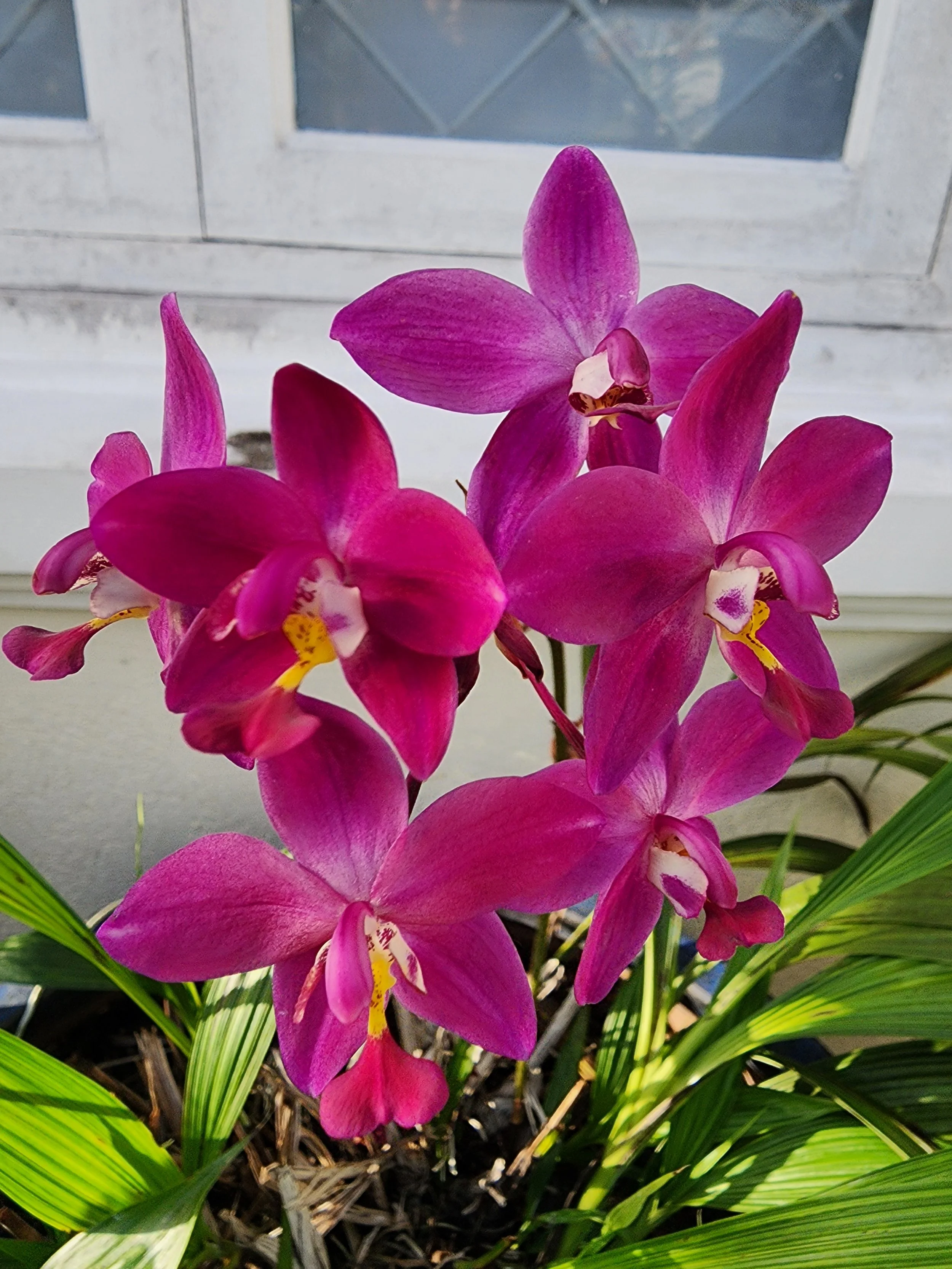
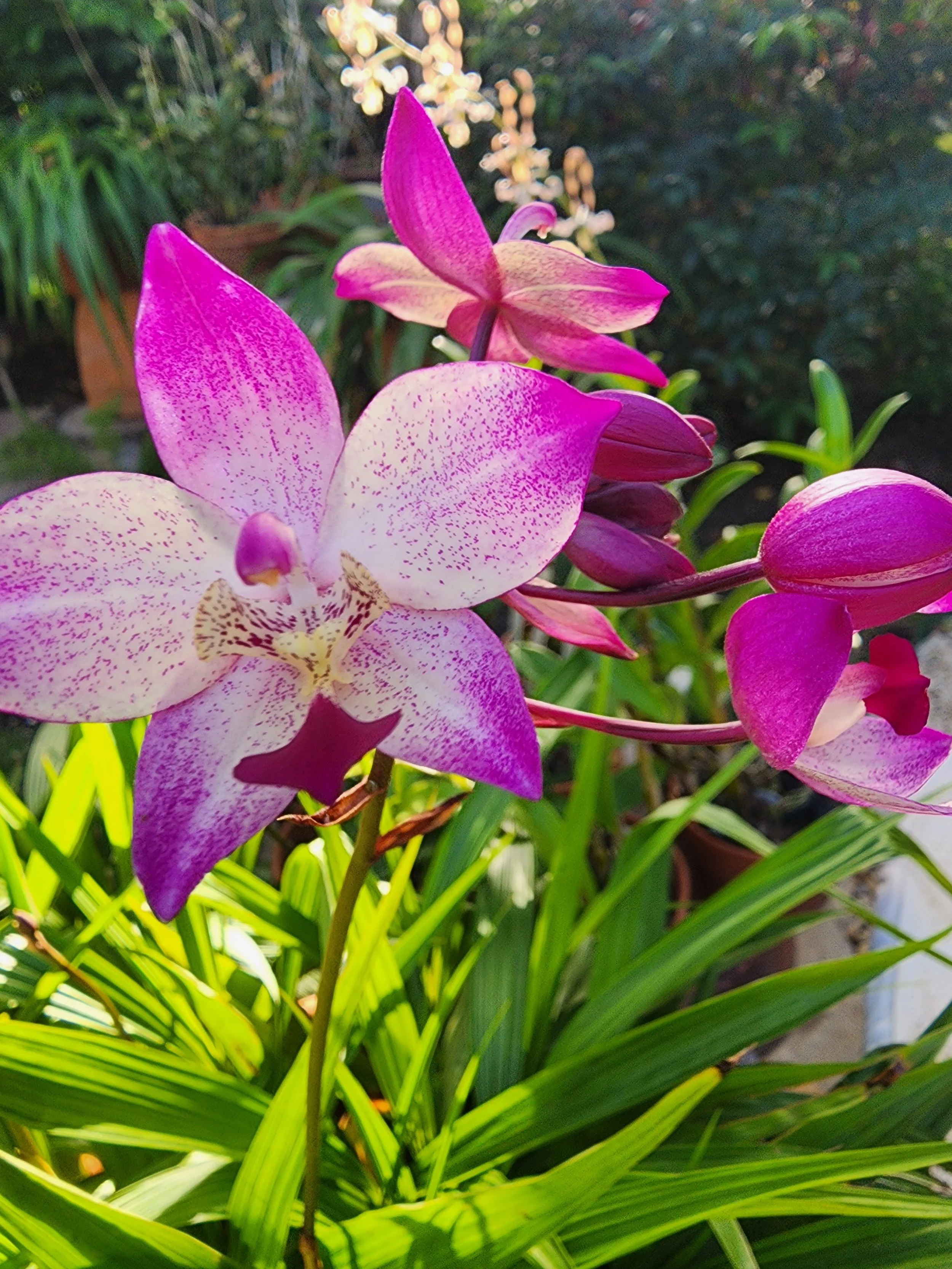
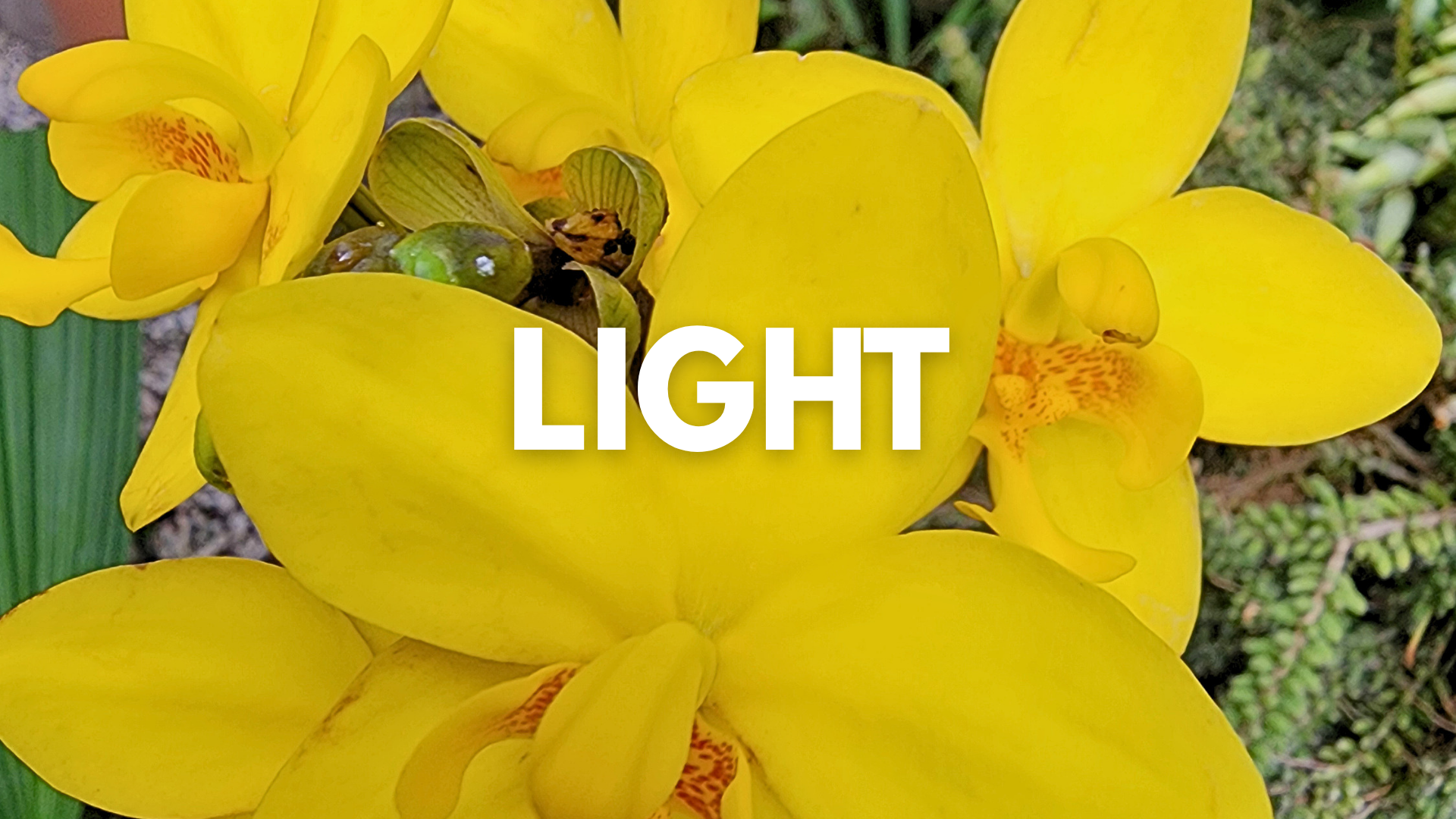
Spathoglottis enjoy bright conditions but appreciate protection from the hottest afternoon sun. They perform best in a position where they receive morning sunshine followed by light shade during the afternoon, although bright filtered light throughout the day is equally suitable. Healthy plants have medium-green leaves, while pale or scorched foliage usually indicates too much direct sunlight. Deep green leaves accompanied by poor flowering often suggest that the plant requires more light.
Warm temperatures are one of the reasons Spathoglottis perform so well in Barbados. They thrive where daytime temperatures range between 24°C and 32°C and nights remain above 18°C. Unlike some orchids that depend on cooler nights to initiate flowering, Spathoglottis bloom readily in consistently warm tropical conditions, making them perfectly suited to our climate.
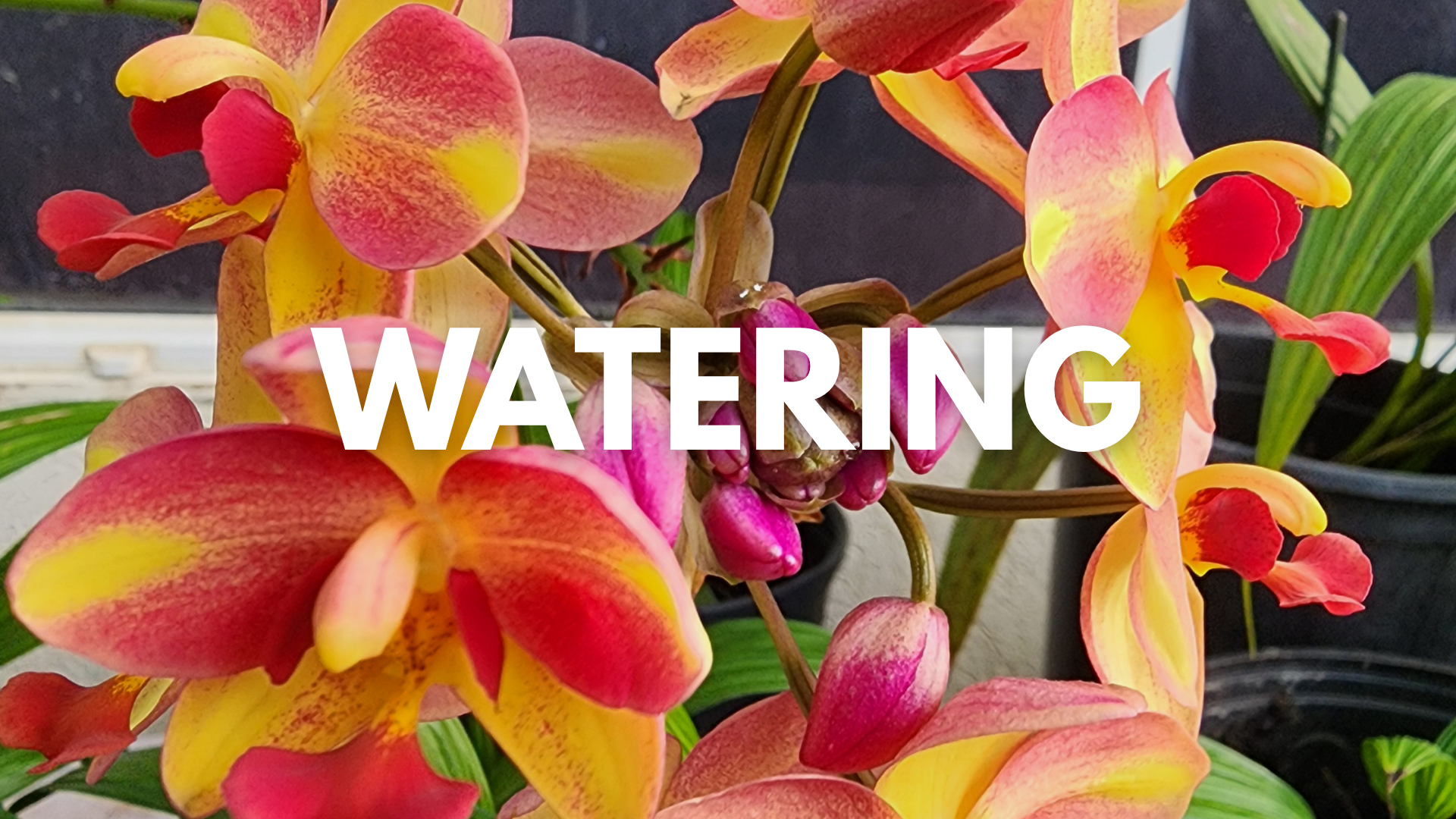
Ground Orchids appreciate consistent moisture while they are actively growing. The growing medium should remain evenly moist without becoming saturated, as both prolonged dryness and excessive watering can damage the roots. During periods of hot, dry weather, more frequent watering may be necessary, particularly for plants growing in containers. Healthy roots are the foundation of a healthy plant, and maintaining the correct balance of moisture is one of the keys to successful cultivation.
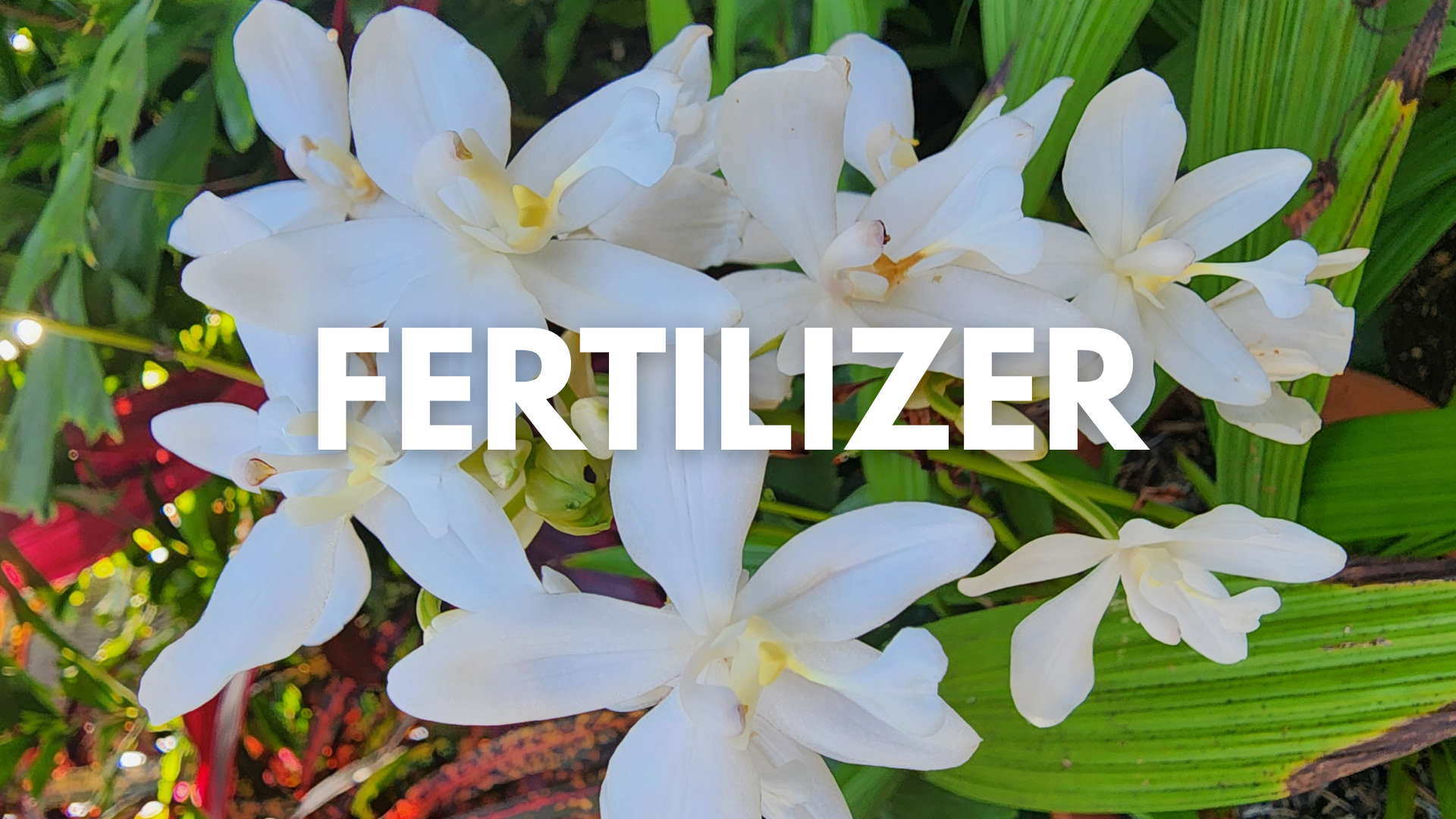
Spathoglottis are enthusiastic growers and benefit from regular feeding throughout the year. A balanced orchid fertilizer applied at full strength every two weeks encourages healthy foliage, strong root development and abundant flowering. As flower spikes begin to develop, many growers switch to a fertilizer slightly higher in phosphorus to support blooming. It is also good practice to flush the growing medium with rain water between fertilizer applications to prevent salts from accumulating around the roots.
Over-feeding can cause the roots to be burnt by an over-supply of chemicals building up in the soil mixture. There is no need to feed each time a plant is watered. To prevent the build-up of unwanted salts in the soil, “flush” the pot or ground with clean water between fertilizing - preferably rain water.
It is important to note that NO fertilizer can make an orchid bloom outside of its season.
It is not a magic potion but rather a tool to aid in good growth. Understanding whether or not your plant is a species that blooms once a year or a hybrid capable of blooming 4 times a year is crucial to avoiding disappointment. Research your plant!
As terrestrial orchids, Spathoglottis require a rich but well-drained growing medium rather than traditional orchid bark alone. A fertile soil improved with materials such as orchid bark, charcoal, coarse sand or perlite provides the ideal balance of moisture retention and drainage. Whether grown in containers or directly in the garden, the roots should never remain in stagnant, waterlogged soil.
As the clumps of bulbs become larger, Spathoglottis benefit from being divided every three to four years. The ideal time to repot or divide is at the beginning of the growing season, when new roots are just beginning to develop. Each division should contain at least three healthy pseudobulbs to ensure it establishes quickly. After replanting, keep the growing medium lightly moist and protect the plant from intense sunlight until new growth becomes established.
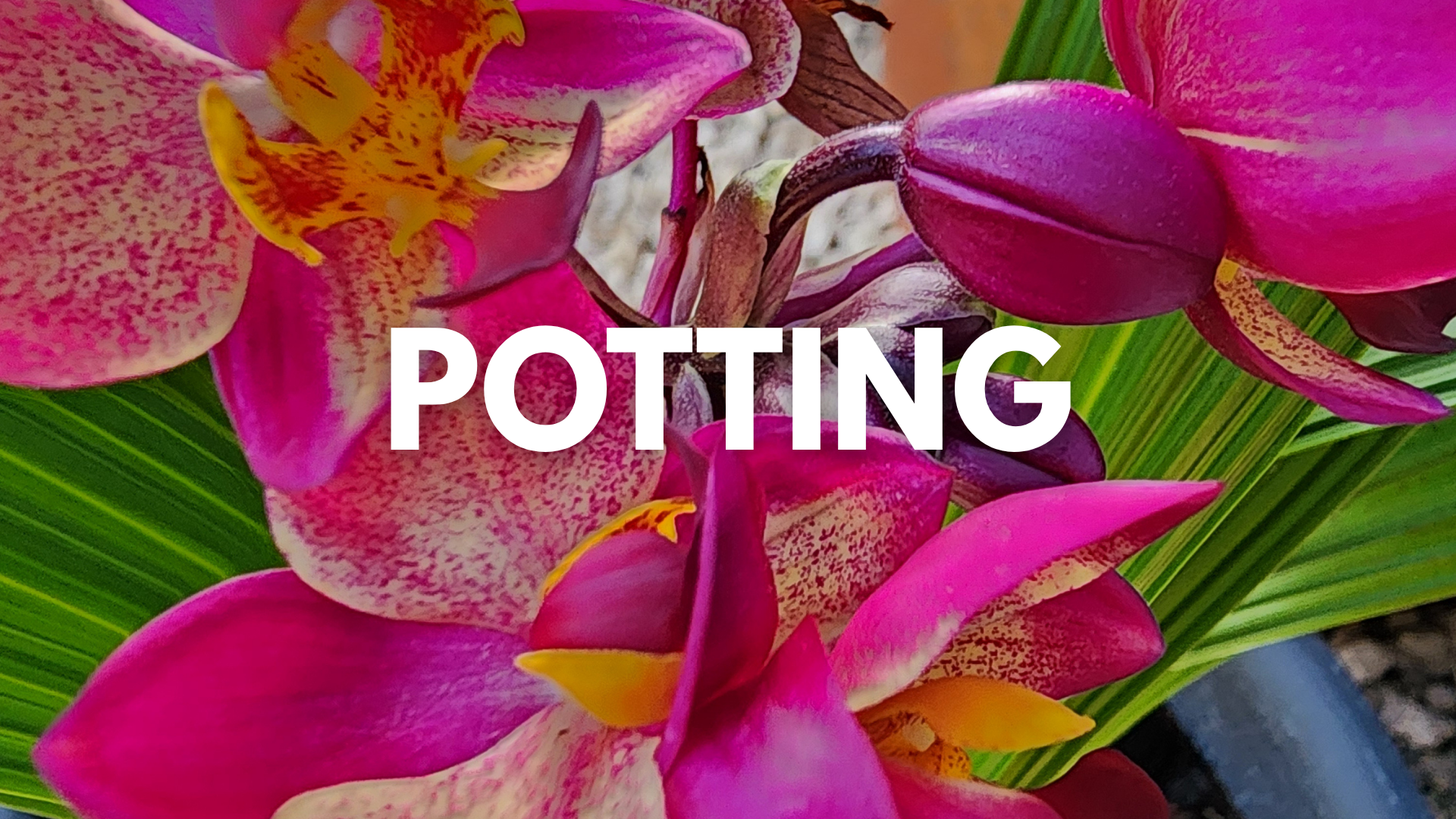
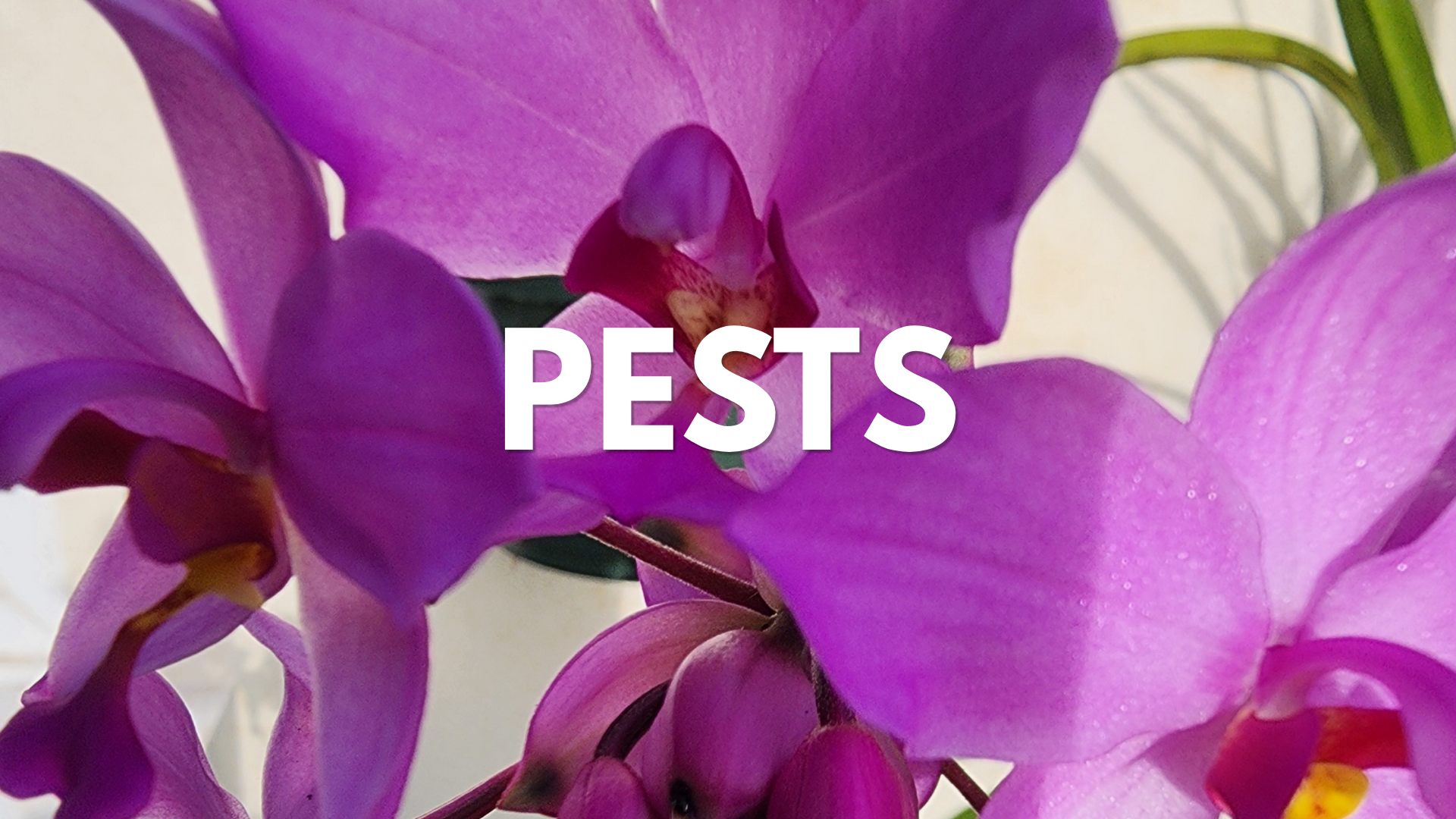
Orchids grown outdoors are likely to be bothered by pests and diseases. In a tropical environment such as ours, slugs and snails are a menace where humid conditions are ideal for them to breed. Liquid and pellet-form baits such as Slug fest and Deadline are effective in controlling these pests, especially necessary during the growing season. Cleanliness around the orchid, including pruning and removing old or damaged leaves and disposing of any trash should also be normal practice.
Other pests which are harder to detect include mites, thrips, scale, and mealy bug insects. These sap-sucking pests attack leaves and buds, weakening the orchid and spoiling flowers. Systemic Insecticides which make the plant toxic to these insects, will control these infestations if applied according to manufacturers’
guidelines.
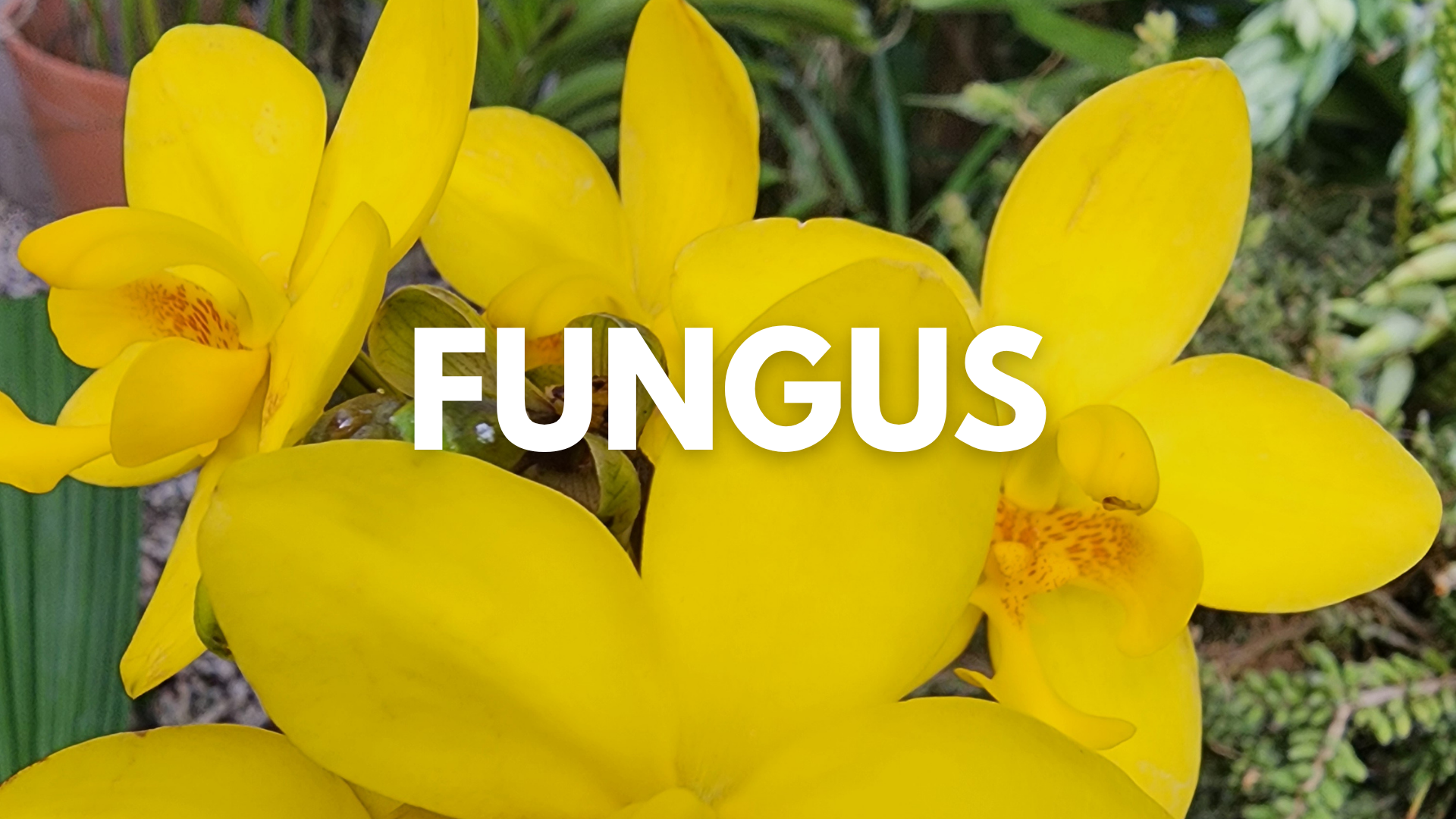
Diseases in Spathoglottis orchids are usually the result of neglect over a long time, subjecting the plant to stress which makes them vulnerable. In addition, poor air-circulation and over watering promote many fungal and bacterial diseases. But, where good hygiene is practised and orchids carefully observed, most problems will be minimized. Monthly spraying of systemic fungicides, particularly during the rainy months is highly recommended.
Contributor: Ann Dodson
EDITOR: Shari Watson
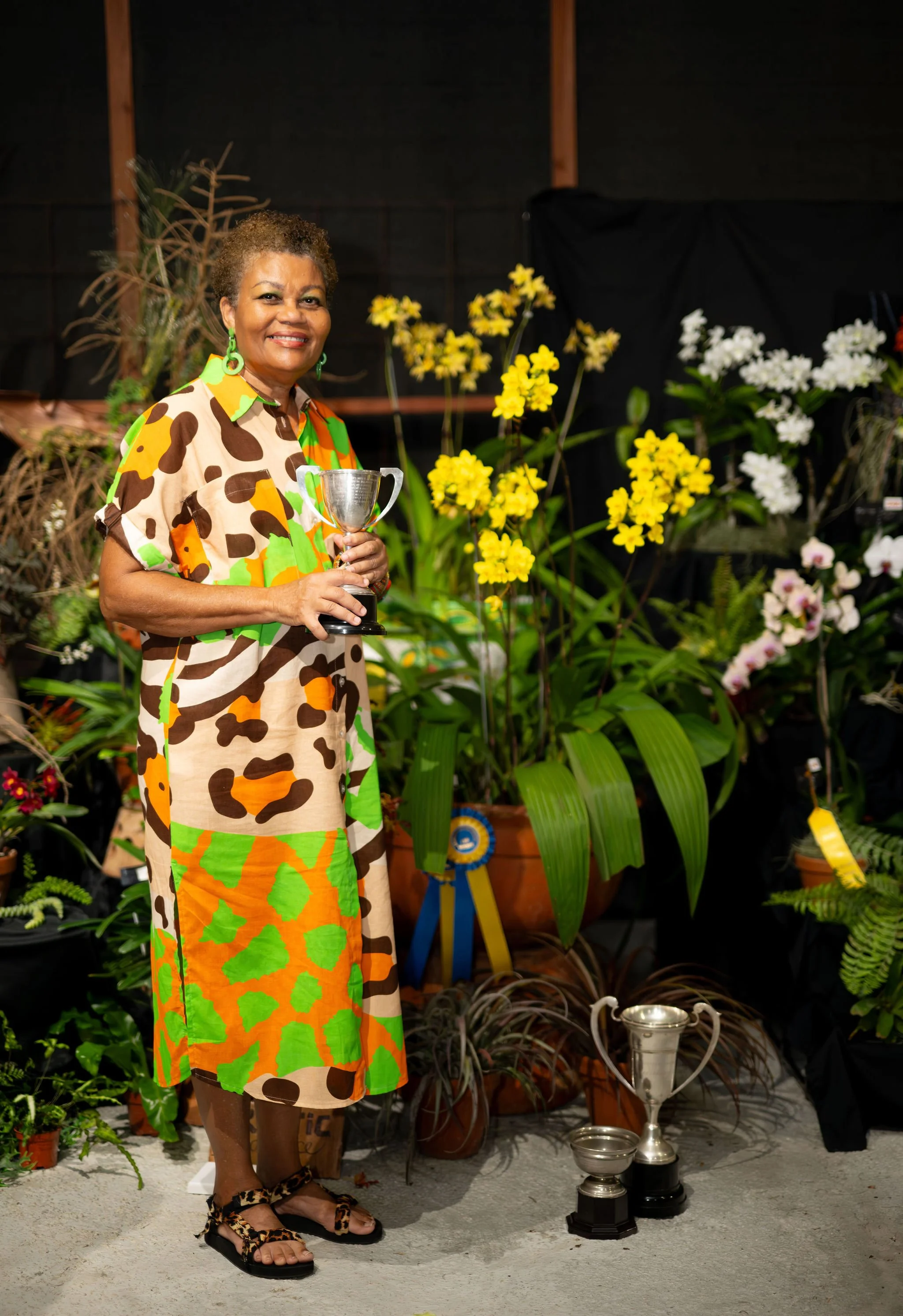
Ann Dodson with her amazing ground orchids at the “Radiance” Orchid Show 2026. She received Best Any Other Variety , Best Culture and Best Terrestrial!